
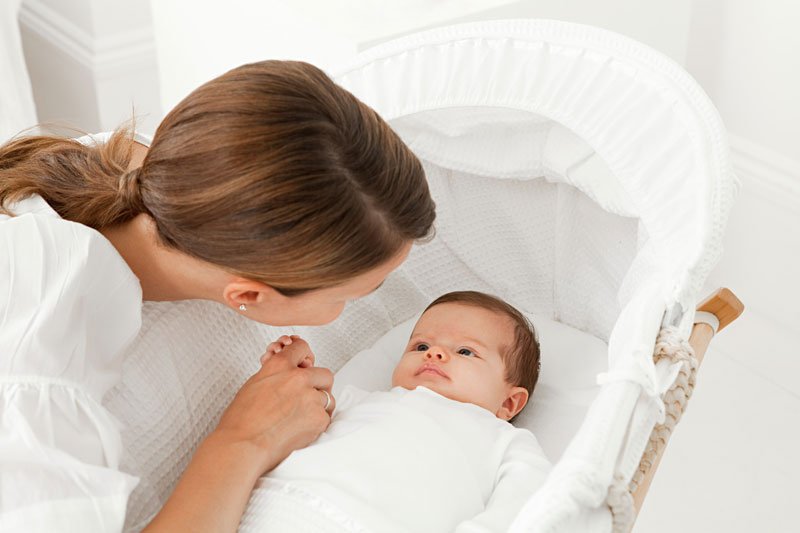
Socialization is a dynamic ever-changing phenomenon for humans. It is not the sole purview of humans for many animal species from bees to whales show different socialization patterns. Human socialization involves dealing with one’s self, and with others in our modern “tribe”. It is an interplay of our verbal language, nonverbal language, body language and our emotions. Being social is core to our survival in our social group. The socially able person is the successful person in many facets of civilization today. Conversations are intrinsic to how humans socialize. Conversations “break the ice” and help cement relationships. Conversations allow space to develop and grow new relationships. Let us have a look at how conversation skills start in the development of a human person.
| Birth – 2 weeks | The child makes and sustains eye contact especially with faces one foot away.The child begins to part of the simple turn-taking game that occurs in all human interactions |
| 2 weeks –8 weeks | The turn-taking looking/smiling/cooing games is expected and established. It is a real form of play between adult and child. |
| 8 weeks – 20 weeks | The infant will actually mimick oral motor behaviors and many speech motor behaviors. Stick out your tongue. Round your lips. And wait. Watch what happens. |
| 20-40 weeks | Prolific speech motor development; lots of sucking, slurping and gurgling speech sounds emerge as the infant gains control of her tongue and its use for feeding and then for socialization; making sounds |
| 40 weeks and beyond | The child now becomes more and more proficient at putting together speech sounds and syllables he/she is familiar with. The child also works at producing the same string of sound over and over again. Memory, attention and learning play a significant role in developing their speech motor skils into what w call “speech” |